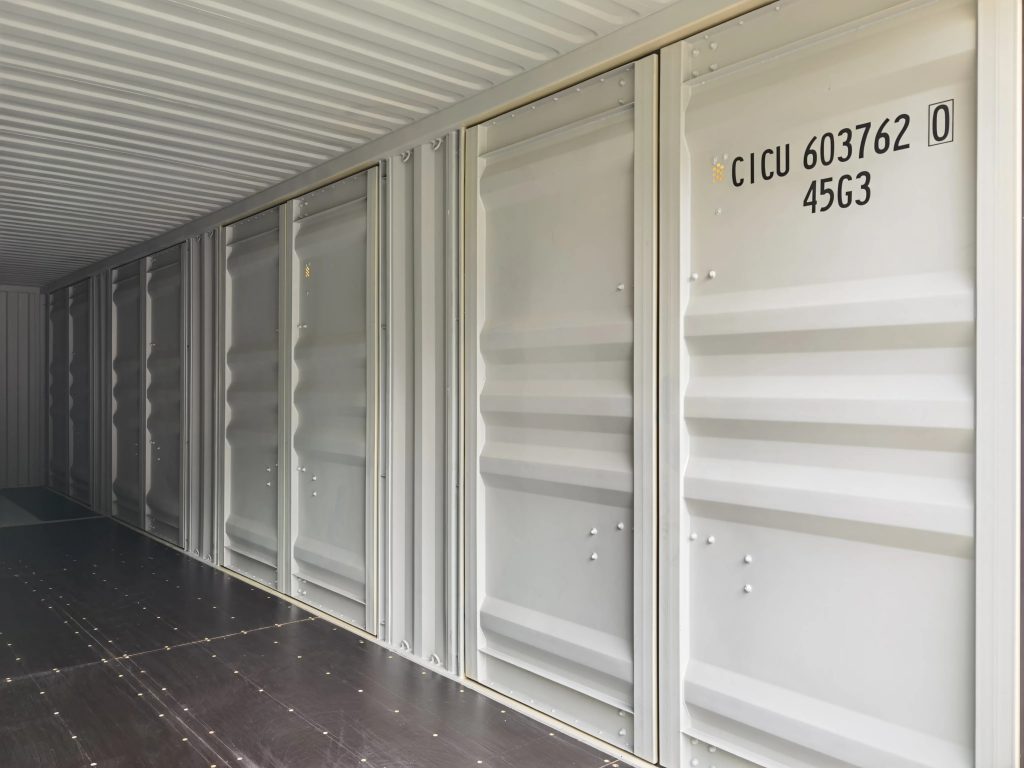
Understanding the 45 Feet Container Size: Key Insights and Considerations
Worldwide of shipping and logistics, container sizes play a vital function in ensuring effectiveness and cost-effectiveness. Among the various container sizes offered, the 45 feet container has actually acquired popularity, especially for transporting extra-large shipments. This post checks out the specifications, benefits, utilizes, and other pertinent details of the 45 feet container, offering important insights for services and individuals associated with shipping.
Introduction of Container Sizes
Containers are vital for the transport of goods throughout land and sea. They can be found in standard sizes, typically 20 feet, 40 feet, and 45 feet. Comprehending the dimensions and capabilities of these containers assists in making notified choices for shipping purposes.
Specifications of a 45 Feet Container
Here is a comprehensive table outlining the basic dimensions and requirements of a 45 feet shipping container:
| Specification | Dimensions (Feet) | Dimensions (Meters) | Cubic Capacity | Max Payload |
|---|---|---|---|---|
| External Length | 45 | 13.72 | 3,040 cu ft | 30,480 kg |
| External Width | 8 | 2.44 | ||
| External Height | 8.5 | 2.59 | ||
| Internal Length | 44.5 | 13.56 | ||
| Internal Width | 7.7 | 2.35 | ||
| Internal Height | 8.4 | 2.54 |
Types of 45 Feet Containers
45 feet containers are versatile and can be found in numerous types to meet different shipping needs. Here's a list of the typical types:
- Standard 45 Feet Container: Generally used for basic cargo and widely acknowledged as the basic shipping container.
- 45 Feet High Cube Container: This version has additional height, offering more internal space for transferring larger items.
- Reefer 45 Feet Container: A cooled container developed to carry temperature-sensitive cargo, perfect for food and pharmaceuticals.
- Open Top 45 Feet Container: Perfect for large cargo that can not fit in standard containers, it features detachable tarpaulins.
- Flat Rack 45 Feet Container: This container has no sides or roofing, making it ideal for heavy equipment and large items.
Advantages of Using a 45 Feet Container
Selecting a 45 feet container offers several benefits:
- Increased Capacity: The larger size permits more products to be delivered at the same time, decreasing the variety of trips needed.
- Versatility: Suitable for various types of cargo, from large machinery to perishable goods, thanks to various variations.
- Cost-Effectiveness: By making the most of each shipment's capability, organizations can reduce general shipping expenses.
- Intermodal Efficiency: The basic dimensions enable simple transfer between ships, trains, and trucks, helping with smooth logistics.
Typical Uses for 45 Feet Containers
The 45 feet container is versatile and appropriate for a variety of applications:
- Transporting Machinery: Ideal for shipping extra-large industrial equipment.
- Building Supplies: Commonly used to move building products like steel beams and heavy tools.
- Home Goods: Useful for moving large stocks throughout property movings.
- Exporting Goods: Popular in international trade for shipping various products.
- Food Storage: Reefer containers are terrific for preserving perishable items throughout transit.
Often Asked Questions (FAQ)
1. Just how much weight can a 45 feet container hold?A standard 45 feet
container typically has an optimum payload capability of around 30,480 kg(67,200 lbs ). However, precise limits can differ depending upon the container's design and structural stability. 2. What is the difference in between a 45 feet basic
container and a high cube container?The primary difference is height. High cube containers provide an extra foot of height
, enabling extra storage volume, making them ideal for taller products. 3. Are 45 feet containers suitable for shipping worldwide goods?Yes! They are typically used in global
shipping and comply with basic dimensions, making them simple to transfer across different modes of transport. 4. Can 45 feet containers be stacked?Yes, 45 feet containers are developed to be stacked securely, both on ships and in storage centers, optimizing space effectiveness.
5. How are 45 feet containers packed and unloaded?Containers are
usually loaded and unloaded utilizing cranes or forklifts. For specialized containers like flat racks, cargo may need additional handling
devices. The 45 feet container stands out as an effective choice for numerous shipping needs. With cogcontainersltd.com , adaptability, and adaptability, companies associated with logistics and transportation can leverage this container size to enhance their shipping methods. Whether one is shipping equipment, family items, or temperature-sensitive products, the 45 feet container uses a useful solution that can enhance shipping processes while providing cost savings. By understanding the requirements, advantages, and applications of these containers, companies can make better-informed choices that suit their functional requirements. For those wanting to increase delivery effectiveness or broaden their logistics operations, considering the 45 feet container might be a significant advance.